


By Greg Barradale
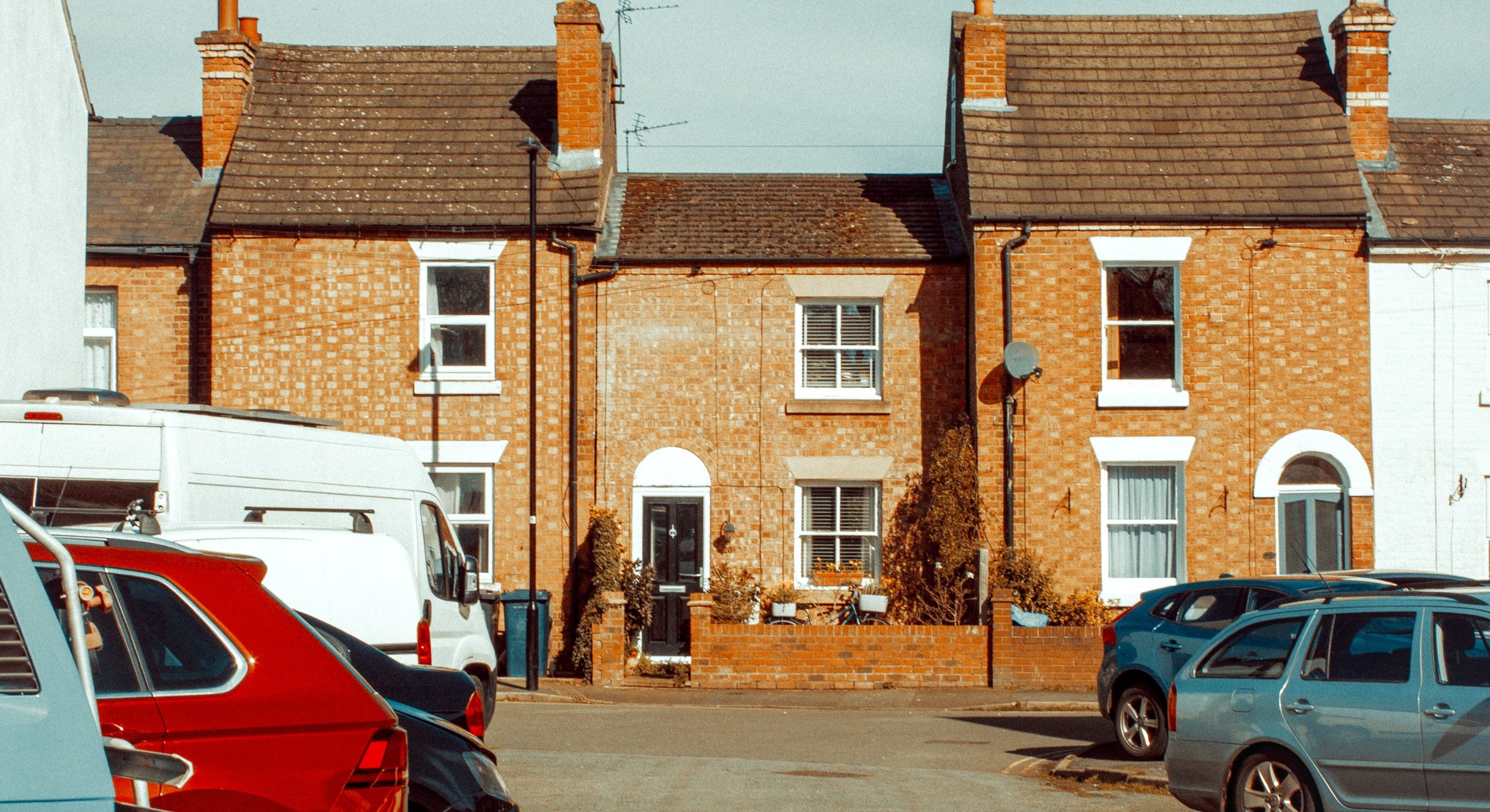
The October 2019 sale of the flat in Southall, West London, was a normal enough event. Under Right to Buy rules, its tenants were able to become its owners for the discounted price of £112,000.
Right to Buy, its proponents said, was a social revolution that would allow tenants to achieve the dream of home ownership, encouraging them to improve and modernise their properties.
Those supporters might not have imagined that by February 2020, just four months after the sale, this flat had a new purpose: it was being rented back to Ealing Council as temporary accommodation (TA), as the local authority battled to find somewhere for around 3,000 homeless families to live.
Since then, Ealing Council has paid almost £84,000 in rent on the property.
It is one of almost 50 properties discovered across England by Biggest Issue, sold at discounts under Right to Buy within the past decade and then rented back to councils as TA.
As part of our investigation into Right to Buy homes being turned into TA, we sent Freedom of Information requests to all 403 UK councils, asking:
how many homes that have been sold through Right to Buy are now being leased back as TA
the sale price from the Right to Buy sale
how much each council spent per year
how much was spent in total
We received responses from half of the councils we contacted, and our investigation found local authorities – who were forced to sell under the Right to Buy scheme – netted £6.5m from the sales and now pay at least £1.1m a year to rent the properties back, meaning owners recoup their purchase costs, on average, in six years.
And unlike when ex-Right to Buy homes are sold on within five years, councils have no powers to reclaim discounts when properties are rented back to them.
“It’s ludicrous that councils are having to pay extortionate sums to rent back homes they’ve lost through Right to Buy sales, for them to be used as TA,” Mairi MacRae, director of policy and campaigns at the housing charity Shelter, told Biggest Issue.
Hannah Spencer, the Green Party MP for Gorton and Denton in Manchester, told us: “This is what happens when you sell off council homes and let private rents spiral out of control. Council homes are sold off with a huge discount, then rented back from private landlords at higher rates.
“The public pays twice for the same homes while landlords and property firms make a profit.”
In the decades since the policy’s introduction, the fate of Right to Buy homes has been pored over. Some, as Big Issue reported last year, are sold back to councils for profits, becoming “Yo-yo Homes”.
Others, around four in 10, end up as private rentals. But our investigation now shows how a set of properties are being used to plug the most acute end of the homelessness crisis – a crisis some politicians, councils, and campaigners say was caused by Right to Buy in the first place.
It comes as local authority spending on TA reaches a record £2.9bn, nearly double the sum just five years ago. Across England, over 130,000 households live in this form of emergency housing, which councils often rent from private landlords.
As the crisis intensifies, town halls have little option but to turn to properties they were forced to sell just a few years before. Many of them were built by the council.
Investigations like this are crucial to helping shine a light on what’s actually happening to people - however, they cost us a lot of time and money to do the much-needed work. If you want to support our work, please consider becoming a paid subscriber - every pound of support goes a long way to allowing us to keep reporting on these issues.
‘It isn’t really in the spirit of Right to Buy’
Biggest Issue has sent Freedom of Information requests to councils all around the country to understand the depth of this problem - and the responses show that local authorities are paying a fortune in renting back Right to Buy properties as TA:
Havering: one property sold for £102,000, with £350,000 paid so far renting the home back
Newham: one home sold for £77,300, with £200,000 paid in rent
Bristol: one home sold for £42,100, with £67,319 spent in renting it back
Solihull: a pair of two-bed properties sold for £74,020, with £55,467 paid in rent
Maya Singer Hobbs, a senior research fellow at the Institute for Public Policy Research (IPPR) think tank said: “It isn’t really in the spirit of Right to Buy.”
She added: “The spirit was about supporting a generation of people who wouldn’t otherwise have been able to get on to the housing ladder, onto the housing ladder.”
It is not a situation councils want to be in – let alone one they have designed. Their responses when approached for this story followed a similar theme: they cannot prevent sales, but have a duty to house homeless families so can pay little mind to ownership history, only whether the accommodation is suitable. A shortage of affordable housing limits their choices even further.
“Councils renting back homes they previously owned to provide temporary accommodation is absurd. It’s a clear example of how selling off council homes is a drain on public money in the long-term,” said Holly Williamson, chief executive of Generation Rent.
James Asser, the Labour MP for West Ham and Beckton, said: “Right to Buy has caused huge difficulties for places like Newham. The way it has operated has played a major part in the housing crisis boroughs like mine are facing. Housing remains the greatest area of difficulty for my constituents and the scale of need is immense.”
John Gray, Newham’s statutory deputy mayor and cabinet member for housing, told Biggest Issue Newham faced one of the most acute housing crises in the country, and that the council’s housebuilding efforts wouldn’t solve the problem if new homes were lost to Right to Buy.
Gray said: “This council works closely with the government, and we urge them to keep the Right to Buy scheme under review.”
Ruth Cadbury, MP for Brentford and Isleworth, described the findings as an “absurd situation.”
“The only sustainable route out of the housing crisis is to deliver the new social and council housing this country needs.”
“The Right to Buy scheme is a national policy over which councils have no control” Over many years, it has been a significant contributor to the housing crisis which sees councils across the country facing significant challenges in meeting housing need,” said a spokesperson for Greenwich Council, adding that while they would prefer to retain council homes for permanent social housing, the use of Right-to-Buy properties allowed them to avoid placing families out of the borough.

How we got here
The use of TA has ballooned as homelessness has risen and councils’ responsibilities to house those in need have grown. For some, this can be traced back to Right to Buy.
“There are decisions being made now, in 2026, that are basically a result of decisions made by governments decades ago. In many ways, this feels like a real illustration of the failures of Right to Buy,” said IPPR’s Singer Hobbs.
“It hugely depleted the social and council housing stock, which means councils are in this position where they don’t have enough homes to house people.”
As rents rise, freezes to local housing allowance rates have also meant there are fewer properties that people on housing benefit can afford.
TA is often the alternative – leading to complaints of a “false economy” where savings made by freezing benefits are eclipsed by the high cost of emergency housing.
“The other side of this is a slightly perverse incentive for private landlords basically to exit the private rental market, because what they are seeing is that there is money to be made in temporary accommodation,” said Singer Hobbs.
“We know it’s preferable for people to have a long-term privately rented place to live rather than temporary accommodation.”
“On a really fundamental level, this is about the financialisation of housing,” she added. “This example, of people buying their home through Right to Buy and then letting it back out as temporary accommodation, is a microcosm of a wider approach to housing. It sees it as an asset and a means of wealth generation, rather than as necessarily a place to live.”
Westminster has made changes to Right to Buy. Reforms made by the Labour government mean the discounts on offer are much-reduced, tenants must wait longer before becoming eligible, and newly-built council homes are not eligible for sale for 35 years.
However, in his speech on 29 September, Prime Minister Andy Burnham promised further ‘reform’ of the Right to Buy scheme, stating that his government will be “removing it from the new homes we build so they are there for generations to come.”
Burnham said he would not block existing tenants from using the scheme.
Government: ‘We recognise that there are issues with the scheme’
Burnham reiterated his pledge to deliver '“the biggest council house building programme since the post-war era” in his speech.
The government is keen to ensure “issues” with the Right to Buy scheme don’t impact the building of social homes, which is needed to address the current crisis.
A spokesperson for the Ministry of Housing, Communities & Local Government (MHCLG) told Biggest Issue:
“While tenants who purchase their homes under the Right to Buy should have the same rights as any other homeowner, including the right to let the property out, we recognise that there are issues with the scheme.
“That’s why we’re reforming it to make sure councils have the housing supply they need, alongside investing £950 million in temporary accommodation supply to help councils cut down on costs of renting these homes.”
The councils we spoke to told us the use of the homes reflected wider pressures – some caused by Right to Buy itself.
Asser, MP for West Ham and Beckton, added: “[Biggest Issue’s] investigation shows the financial impact this has had on Newham Council, but we need to tackle the housing crisis as a matter of urgency not just for the sake of councils’ budgets, but to help the people who most need help.”
Newham is one of the areas most in need of support - according to the latest statistics from MHCLG, it has the highest rate of TA in London, with 59.8 households per thousand needing accommodation, reinforcing the need for it to turn to any solution to help solve the issue.
The Right to Buy sale-turned-TA-rental in Havering was one of the most stark responses from any council in our survey. It showed £248,000 in profit has been received by the owners of that home.
While Havering isn’t at the same level as Newham in terms of houses in need of TA (at 12.6 per thousand), it’s still well above the national average of just 2.8 households per thousand for local authorities outside of London.
It also has 1,863 children trapped in TA, showing that even without the pressures of the London housing crisis, boroughs are paying multiples on the sale price just to keep families in homes.
Martin Lardner, Havering Council’s cabinet member for housing demand, said: “Like many local authorities across London and the country, we are experiencing significant pressures in the housing market, including rising levels of homelessness and a severe shortage of affordable and temporary accommodation and our duty to meet our statutory obligations to our residents.”